How Many Patients Does A Dental Assistant Usually See In A Day?
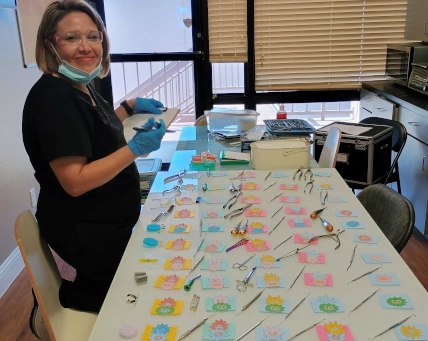
One of the most common questions from students at Huntsville Dental Assistant School is about workload. “How many patients do dental assistants help in a day?” It’s a practical question—and the answer gives great insight into what daily life in a dental office is really like.
The number of patients can vary based on the type of dental practice, the team’s size, and the procedures performed. But one thing remains consistent: dental assistants stay active, engaged, and essential throughout the day.
A Typical Day in a Dental Office
Most dental assistants arrive 30 minutes before the first patient to prepare operatories, sterilize instruments, and review the day’s schedule. Once the morning starts, the pace is steady.
In a general dental practice, assistants usually help with 8 to 15 patients per day. Some appointments are quick—such as exams, X-rays, or cleanings—while others, like fillings or crowns, take longer.
Throughout the day, assistants move between rooms, set up trays, hand instruments, and document procedures. They also communicate with patients, answering questions and helping ease any anxiety.
As the Program Manager explains, “Dental assistants are in constant motion, but it’s a rhythm that becomes second nature. You get to know your team so well that everything flows smoothly.”
How Patient Volume Varies by Practice
The number of patients an assistant helps can differ based on the setting:
-
General Dentistry: The most common environment. Assistants may see 10–15 patients daily, with procedures ranging from exams to fillings.
-
Orthodontics: Higher patient turnover—assistants might assist 20–30 patients a day during shorter appointments.
-
Pediatric Dentistry: Similar volume to orthodontics but with more interaction and comfort management for young patients.
-
Specialty Clinics (e.g., Oral Surgery): Fewer patients per day, but procedures are longer and more complex.
Each environment has its own rhythm, but all require teamwork, adaptability, and attention to detail.
The Balance Between Speed and Care
Dental offices are busy, but efficiency never outweighs quality. Assistants play a major role in keeping appointments on schedule without making patients feel rushed.
This balance comes from preparation and communication. A well-trained assistant anticipates the dentist’s needs, ensures instruments are ready, and stays calm under pressure.
Chris Lofton, Zollege CEO, notes, “Dental assistants are time managers and caregivers at once. The best ones make a full schedule look effortless because they’re organized and compassionate.”
How Externships Prepare Students for Real Workflows
At Huntsville Dental Assistant School, students practice in real dental offices during labs and externships. This environment exposes them to authentic daily rhythms—patient handoffs, chart updates, and procedure turnover.
The 40-hour externship gives students a clear picture of what full-time employment looks like. They learn how to balance multiple patients, maintain quality, and support the dentist efficiently throughout the day.
Teamwork Makes the Day Flow
Dental assistants rarely work alone. They coordinate with hygienists, dentists, and front-office staff to ensure seamless operations. The ability to communicate clearly and adapt quickly is what allows busy offices to see many patients without stress.
The Program Manager explains, “We tell students that dental assisting is like a dance—you move with your team, anticipate their steps, and keep things running smoothly.”
Factors That Influence Daily Patient Load
A few variables affect how many patients an assistant sees:
-
Type of practice: General vs. specialty.
-
Number of operatories: More chairs mean higher capacity.
-
Procedure length: Longer treatments reduce daily volume.
-
Office efficiency: Organized scheduling increases throughput.
-
Experience level: Experienced assistants can handle more patients comfortably.
Even with these differences, most assistants stay actively engaged throughout the day, switching tasks often and interacting with dozens of people.
Why Patient Volume Matters
Understanding patient flow helps students visualize the pace of the job. For some, it’s the perfect level of activity—busy enough to stay motivated but structured enough to feel manageable.
Dental assisting is dynamic but not chaotic. You’re never idle, yet the day moves in predictable patterns that become familiar quickly.
A Profession of Balance and Purpose
By the end of a typical day, dental assistants have helped improve multiple patients’ health and comfort. They’ve worked closely with a team, maintained precision, and ensured the office runs efficiently.
It’s a job that demands focus but rewards it with fulfillment.
Chris Lofton concludes, “Dental assistants touch more lives in a day than most people realize. Every patient interaction, every smile, every calm word—that’s impact.”
From Student to Professional
For students training at Huntsville Dental Assistant School, understanding patient volume is key to preparing for the real pace of practice. The school’s 12-week hybrid program ensures graduates enter the workforce with the experience, stamina, and teamwork skills needed to thrive in even the busiest offices.
The exact number of patients may vary—but the energy, purpose, and satisfaction of each day remain constant.
You're 12 weeks from the dental assistant career you deserve.